Dance With Me
Glow · Ages 1.5 to 4
For brand-new dancers who can walk. A parent or caregiver dances with them until they’re comfortable taking class on their own.
Five levels by age and experience, and eight styles to choose from.
Most new dancers start at the level for their age. The teacher makes the final call.
Glow · Ages 1.5 to 4
For brand-new dancers who can walk. A parent or caregiver dances with them until they’re comfortable taking class on their own.
Ember · Ages 3 to 5
For dancers working on independence and taking direction from an adult who isn’t their caregiver. They learn to follow directions, work with other children and build motor skills.
Spark · Ages 6 to 9
For dancers with some experience, or who are good at following directions. Classes are about 45 minutes per style to hold interest while building skills. Many Peewees take two or more classes a week and try every style to find their favorite.
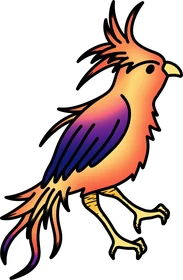
Scorch · Ages 9 to 12+
More emphasis on proper technique and a wider range of skills in each style. Dancers get more corrections and are expected to apply them, and they pick up longer combinations faster.
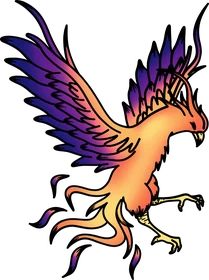
Blaze · Ages 12+, audition
For focused, self-motivated dancers. They apply corrections in every class, pick up choreography quickly and work on turning steps into a performance, with professionalism and respect toward teachers and peers.
Eight styles, each taught technique first.
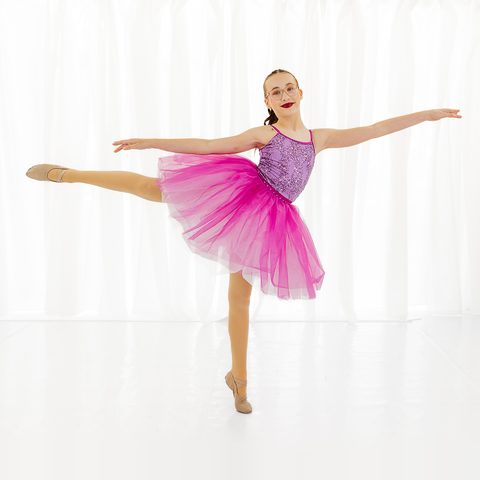
Ballet is a classical style that merges artistry and discipline. It’s considered the foundation for many other styles: dancers learn body placement, build the core strength to perform harder movements, and learn terminology used across all of dance. Our ballet classes focus on technique while keeping it accessible and fun. Students start with basic terms and placement, then progress to more complex movements and choreography. Since ballet’s vocabulary comes from French, dancers are learning a bit of another language too, along with patience and discipline. Ballet isn’t learned overnight, which makes the sense of accomplishment that much bigger.
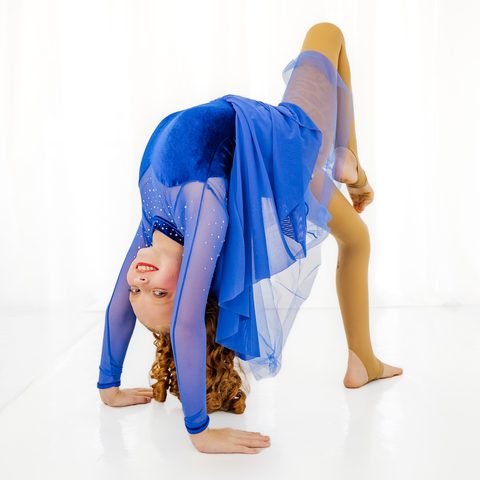
Acro shares many elements with gymnastics. Dancers build strength in their core, arms and legs to perform skills like cartwheels and handstands, and blend ballet with acrobatics into a lyrical style that shows strength and flexibility. Dancers need a strong dance foundation (or to be taking dance classes alongside acro) and consistent conditioning to safely reach higher-level skills. We are an Acrobatic Arts certified studio. Learn more about acro.
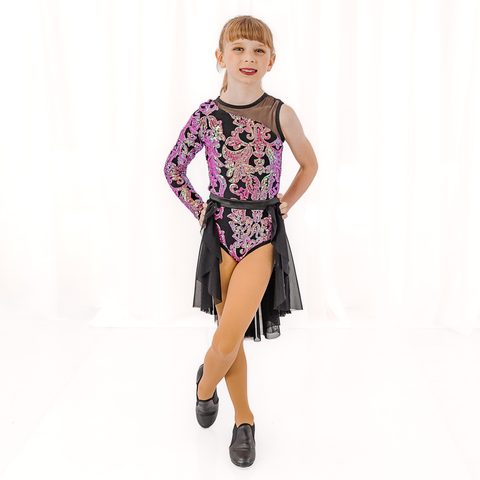
Tap uses a special shoe and is all about rhythm. Classes are high energy and fast paced. Dancers learn to make different sounds with different parts of their feet, to count music, and to let the song lead the rhythms they create. Because tap is heard as well as seen, teamwork matters even more. When everyone is together, you can hear how much work they’ve put in.
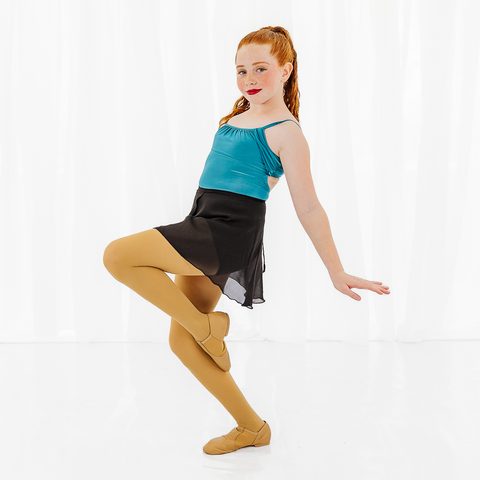
Jazz is a high-energy class with lots of leaps and turns. We focus on commercial jazz, the kind of dancing you see on So You Think You Can Dance or World of Dance. It combines sharp and fluid movement, often includes tricks, and borrows from hip hop, street funk and ballet.
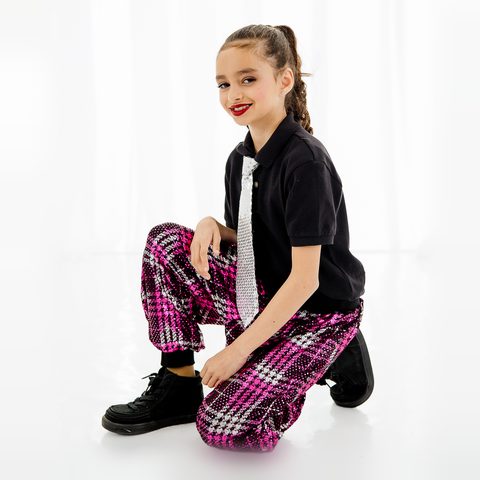
Hip hop is a street style that focuses on freedom of movement, improvisation and body isolations. It’s usually hard-hitting, fast and aerobic, though it can be slower and flowing depending on the choreography. It uses tricks and stays grounded.
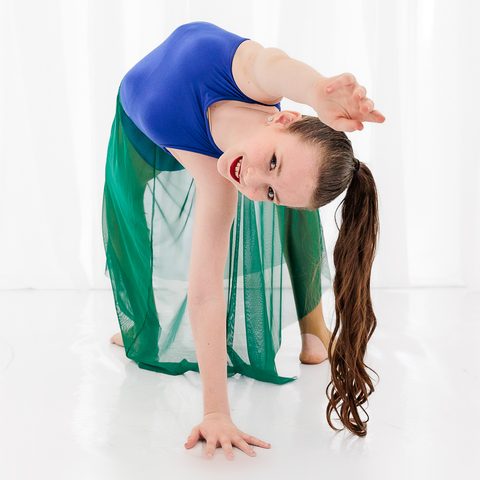
Lyrical balances ballet and jazz. It relies on ballet technique but gives it more room to breathe. Movements often take their cue from the song’s lyrics, and dancers are encouraged to show the emotional story through movement and facial expression. It often includes acrobatic elements.
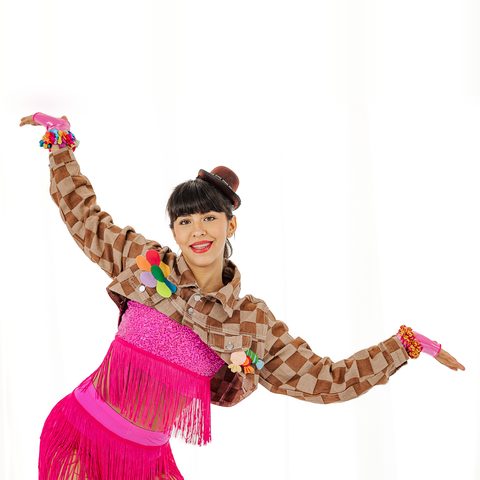
Musical theatre dance is an athletic, genre-fluid style that blends choreography with acting to tell a story. It emphasizes character, musicality and expression, moving between jazz, tap and ballet. We include singing, vocal warm-ups and technique, and lip-syncing to choreography.
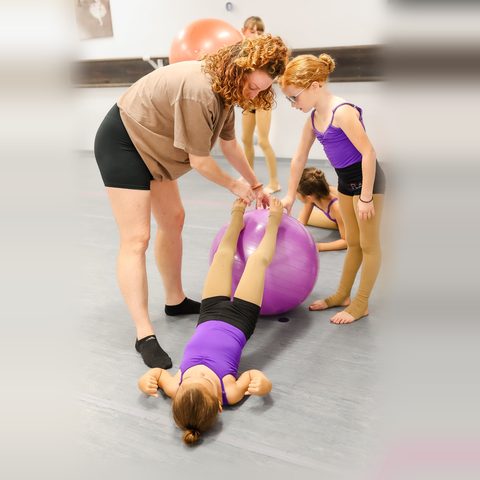
Dance Tech teaches proper body technique and alignment. Dancers learn to use their core and the right muscles for each movement, building strength and muscle memory that carries into every other class. We use exercise balls, therabands and small balls. Dancers of many levels can take this class together.
Tell us about your dancer and we’ll select the best-fit classes.